
A Google patent filing describes “My Channel,” a 24/7 feed of AI-made shows starring the viewer, with ads stitched in and no human creators needed.
Google earns billions from people uploading videos to YouTube. A newly published patent application suggests the company has also imagined a TV channel that doesn’t need those people at all: an always-on feed of AI-generated shows built for one viewer, and starring that viewer.
What the filing describes
According to Digital Trends‘ Dwayne Cubbins, the application is titled “Creating a Channel of Video Experiences Tailored to a User” and was originally filed on May 13, 2025. It describes a “My Channel” feature inside a TV app, where a server builds a prompt from your viewing history, device location, language and age group, then has a large language model create new videos from it. The drawings show a living room TV labeled “John’s Channel,” with options like a “crime/comedy caper” and a “fun romantic comedy.”
Gizmodo‘s Ece Yildirim reports the patent was first spotted by Patentlyze and 404 Media, and was published last week. The system would study your most-watched videos and shows and copy their style and format, down to pacing, narrative structure and even aspect ratio. Shows could be made on request or without the user asking at all; Digital Trends says users could set the process to run on a weekly, monthly or yearly schedule.
You’re the star
The headline feature is casting the viewer as the lead. Digital Trends reports one version of the system would build an avatar from your photos and synthesize your voice for the protagonist’s lines, with a sample prompt telling the model to “ensure that the user is the protagonist throughout the entire video.” Tubefilter‘s James Hale quotes another example prompt from the filing: “Generate a customized video for a user where the user will play the protagonist.”
One example involves a cricket fan. If the system saw that person watching a clip about a player’s big performance, it could generate a video tied to the Cricket World Cup, with the filing suggesting the user “could be cheering for India in the stands or interacting with Player 1 in some way,” per Tubefilter.
And yes, ads
The filing also plans for advertising. Gizmodo quotes it describing an “advertising stitcher that inserts at least one advertisement into the customized media content item.” Tubefilter put it bluntly: a fake you in fake videos, and you’d still have to watch real ads to see them.
According to TVBEurope‘s Jenny Priestley, the system would draw on viewers’ favorite videos and shows on services such as YouTube, along with IP address and demographic data.
Why creators should pay attention
Tubefilter argues that a 24/7 channel of personalized AI content won’t make everyone stop watching human creators, but it would pull at least some watch time away from people who rely on views for income. Gizmodo notes the idea fits a wider push toward hyper-personalized feeds, pointing to YouTube’s LLM-driven Custom Feeds launched this fall and Meta CEO Mark Zuckerberg’s comments on an earnings call that its apps will soon “generate great personalized content for you.”
Not a product yet
There are big caveats. Gizmodo stresses that filing a patent doesn’t mean Google will build the product, and Google did not immediately respond to its request for comment. Patentlyze reports the examiner rejected the application, though TVBEurope and Gizmodo note Google can amend it or appeal. Digital Trends advised keeping expectations in check, since big tech companies file patents for all sorts of ideas.
Takeaway
A rejected patent isn’t a launch, but it shows how at least some people inside the company that runs YouTube are thinking about the future of video: content generated on demand, starring the viewer, with ads built in. For creators, the lesson is the same one OnlyFans and fan-subscription creators already live by. Views on someone else’s platform can be redirected. A direct relationship with paying fans is much harder to replace with a machine.
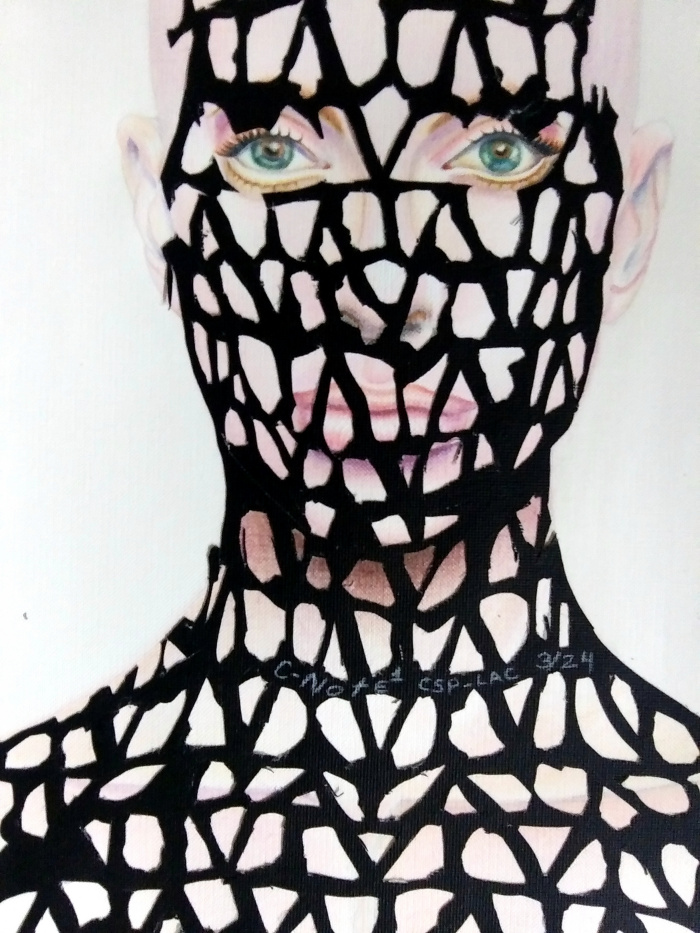
Image: AI-generated illustration.